

Blog
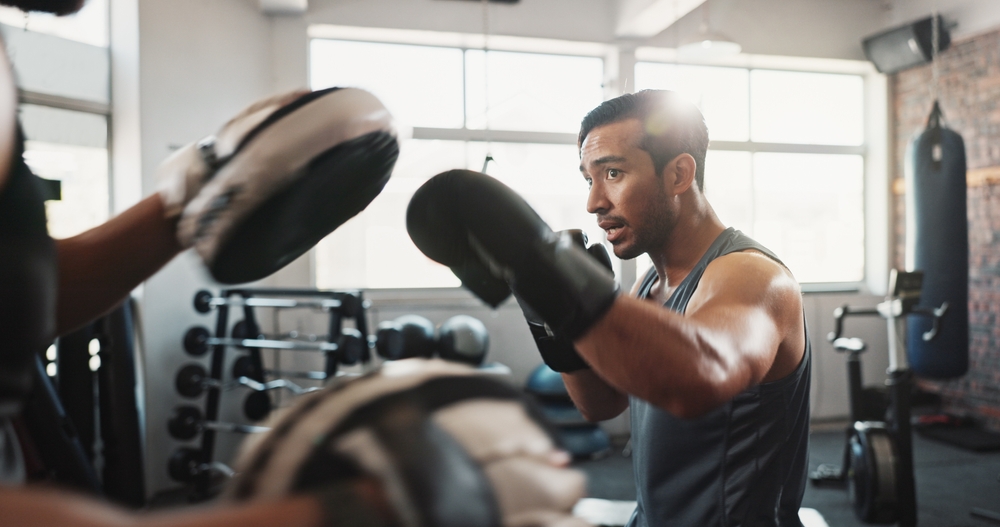
Stepping into the ring for your first USA Boxing match is a rite of passage. It’s the moment when your training, discipline, and heart are put to the test. The journey from your first day in the gym to fight night is a demanding one, requiring dedication in body and mind. But with the right guidance, preparation, and support system, you can walk to that corner with confidence, knowing you have done everything possible to be ready.
This guide is your roadmap. We will walk you through every step of the process, from the administrative details of getting registered to the final moments before the first bell rings. You will learn what it takes to prepare physically, sharpen your skills technically, and build the mental fortitude of a champion. Whether you’re training in Downtown San Diego, North County, East County, or South Bay, this blueprint will help you turn your amateur boxing dream into a reality.
The Foundation: Finding the Right San Diego Boxing Gym
Your success starts long before you ever step into the ring. It begins with the environment you train in and the coach who guides you. A gym is more than just a place with heavy bags; it’s a community, a school, and a sanctuary. When searching for “boxing gyms near me San Diego,” look for a place that prioritizes technical development and a culture of respect.
At 12 Rounds Boxing Academy, we believe in building athletes from the ground up, rooted in the principles of Olympic-style boxing. Under the leadership of four-time Olympic Boxing Coach Basheer Abdullah—who has trained legends like Andre Ward, Claressa Shields, and Terence Crawford—our focus is on precision, strategy, and character. We provide a structured environment where every punch has a purpose and every athlete is coached with intention. This is what separates a fitness class from true boxing training.
Step 1: Getting Official with USA Boxing Registration
Before you can compete, you must become an official member of USA Boxing, the national governing body for amateur boxing. This is a non-negotiable step that ensures you are competing in a safe and regulated environment.
Here’s what the process involves:
- Visit the USA Boxing Website: Go to the official USA Boxing website and find the membership registration section.
- Create an Account: You will need to create a profile with your personal information.
- Find Your Local Boxing Committee (LBC): Select your LBC, which for our area is LBC 44 – Cal Border.
- Affiliate with a Registered Gym: You must be a member of a registered USA Boxing gym. At 12 Rounds Boxing Academy, we guide our athletes through this process to ensure they are properly affiliated with our competitive team.
- Upload Your Documents: You’ll need a clear headshot and a copy of your birth certificate or passport for age verification.
- Pay the Membership Fee: There is an annual fee to become a registered athlete.
- Complete SafeSport Training: All members aged 18 and older are required to complete the U.S. Center for SafeSport’s online training course.
Once these steps are complete, you will receive your “passbook,” the official document that tracks your medicals and fight history. You cannot compete without it.
Step 2: The Boxer’s Medical and Gear Checklist
Safety is paramount in amateur boxing. USA Boxing has strict medical requirements and gear standards to protect every athlete.
Annual Physical Examination:
Every registered boxer must pass an annual physical exam performed by a licensed physician (MD or DO). The doctor will complete a specific form provided by USA Boxing. This physical confirms you are fit to compete. Bring this completed form with you when you pick up your passbook.
Essential Fight Gear:
You will need USA Boxing-approved competition gear. “Approved” means it has the official USA Boxing label sewn onto it. Using non-approved gear will get you disqualified.
- Headgear: Must be open-face and approved by USA Boxing.
- Gloves: The weight of the gloves depends on your age and weight class (typically 10 oz or 12 oz). They must be the official competition color (red or blue) assigned to your corner.
- Mouthguard: A well-fitted mouthguard is non-negotiable. It is highly recommended to have a custom-molded one from a dentist, but boil-and-bite types are acceptable. You cannot have red or partially red coloring in your mouthguard.
- Groin Protector (Cup): Mandatory for all male boxers. A women’s pelvic guard is optional but recommended.
- Hand Wraps: Gauze and tape or an approved wrap style. Your coach will know the specific regulations.
- Uniform (Trunks and Jersey): Your jersey and trunks must be contrasting colors (e.g., blue jersey, white trunks). The waistband of your trunks must be a different color to clearly define the legal target area.
- Boxing Shoes: Provide the ankle support and pivot ability needed for proper footwork.
Building the Engine: A Conditioning Plan for Amateur Boxing San Diego
A boxing match is a sprint disguised as a marathon. You need the endurance to last every round and the explosive power to execute fight-winning combinations. This requires a comprehensive conditioning plan that goes beyond just hitting the bag. Our boxing training in San Diego is built on a foundation of elite athletic development.
Roadwork: The Boxer’s Tradition
Running is fundamental to building the aerobic base needed for boxing.
- Steady-State Runs: Aim for 3-5 mile runs at a moderate pace, 3-4 times a week. This builds cardiovascular endurance.
- Interval Sprints: Incorporate sprints into your runs. For example, jog for two minutes, then sprint for 30 seconds. This mimics the explosive pace changes of a real fight.
High-Intensity Interval Training (HIIT)
Boxing workouts in San Diego should include HIIT to simulate the anaerobic demands of a round. At 12 Rounds, our Signature Classes and Amateur Team practices integrate intense intervals.
- Heavy Bag Drills: 3 minutes of high-output combinations followed by 1 minute of rest.
- Circuit Training: Rotate between exercises like burpees, box jumps, kettlebell swings, and battle ropes.
- Shadow Boxing Intervals: Push the pace for 3 minutes, focusing on speed and movement, then rest for 1 minute.
Strength and Mobility
Strength training builds power and durability, while mobility work prevents injury.
- Functional Strength: Focus on compound movements like squats, deadlifts, pull-ups, and overhead presses.
- Core Work: A strong core is the link between your lower and upper body, essential for generating rotational power in your punches. Planks, leg raises, and medicine ball twists are key.
- Mobility & Flexibility: Incorporate dynamic stretching before workouts and static stretching after. Pay attention to your hips, shoulders, and thoracic spine to improve rotational ability and punching mechanics.
Sharpening the Tools: Mastering Technical Fundamentals
Conditioning gives you the ability to fight. Technique gives you the ability to win. At 12 Rounds Boxing Academy, we obsess over the fundamentals because we know that champions are built on a foundation of flawless technique. This is the essence of Olympic-style boxing.
Stance and Footwork
Everything starts with your stance. It is your platform for offense and defense.
- Balance: Your feet should be shoulder-width apart, with your lead foot forward and your rear heel slightly off the ground. Your weight should be evenly distributed.
- Movement: Learn to move in all directions without crossing your feet. Practice gliding across the canvas, maintaining your stance at all times. Footwork creates angles, controls distance, and sets up your punches. Our 1st Round beginners program is dedicated to building these foundational movements from day one.
Perfecting Your Punches
Every punch should be thrown with proper mechanics to maximize power and speed while minimizing exposure.
- The Jab: Your most important punch. It sets up combinations, controls distance, and disrupts your opponent’s rhythm.
- The Cross: Your power punch, thrown with full rotation of your hips and shoulder.
- The Hook: A devastating inside punch that requires proper weight transfer and a tight, compact motion.
- The Uppercut: An effective punch for splitting an opponent’s guard, generated from the legs.
Defense: The Art of Not Getting Hit
A common misconception in boxing for beginners is that it’s all about offense. The best boxers have impenetrable defense.
- Blocking and Parrying: Using your gloves and arms to deflect incoming shots.
- Slipping and Rolling: Using head movement to make your opponent miss.
- Footwork: The ultimate defense is not being there to get hit. Use your feet to move out of range or create new angles.
The Crucible: Sparring Etiquette and Progression
Sparring is where you put it all together. It is not a fight; it is a learning experience. Approaching sparring with the right mindset is crucial for development and safety.
Sparring Rules of Engagement
- It’s a Classroom, Not a War: The goal is to learn, practice techniques, and work on timing—not to knock your partner out.
- Communicate with Your Partner: Agree on the intensity level before you start. If you’re a beginner, ask to work with an experienced boxer who can control their power.
- Protect Yourself at All Times: This is the number one rule of boxing for a reason. Keep your hands up and your chin down.
- Listen to Your Coach: Your coach is your eyes and ears during sparring. They will give you instructions and stop the session if it becomes unsafe or unproductive.
For our youth boxing athletes in the 12 Rounds Starters program and women in our StrongHer classes, we introduce sparring in a controlled, step-by-step manner, ensuring confidence and safety are built together. Our competitive Amateur Team engages in structured, high-level sparring designed to simulate real fight conditions under the watchful eye of Coach Basheer.
Fueling the Machine: Nutrition and Weight Management
Proper nutrition is a non-negotiable part of fight preparation. You are asking your body to perform at its peak, and you must give it the high-quality fuel it needs.
Everyday Nutrition for a Boxer
- Lean Protein: Essential for muscle repair and growth. Focus on sources like chicken, fish, lean beef, eggs, and legumes.
- Complex Carbohydrates: Your primary energy source. Oats, brown rice, quinoa, and sweet potatoes provide sustained energy for long training sessions.
- Healthy Fats: Crucial for hormone function and overall health. Avocados, nuts, seeds, and olive oil are excellent sources.
- Hydration: Dehydration severely impacts performance. Drink water consistently throughout the day, not just during training. Aim for at least a gallon per day.
Weight Management
If you need to make a specific weight class, you must do it intelligently. Drastic weight cuts through dehydration are dangerous and will leave you weak on fight night. The best approach is a gradual descent in weight over several weeks by cleaning up your diet and maintaining a consistent calorie deficit. Never starve yourself. Consult with your coach to create a sensible plan. This is a key part of the strategic preparation provided to our professional fighters in the 12 Rounds Pro Program.
The Mental Game: Forging a Champion’s Mindset
Your biggest opponent is often the one in your head. Doubt, fear, and anxiety can sabotage even the most physically prepared athlete. Mental preparation is just as important as your roadwork and sparring.
Visualization
Every night before you sleep, visualize the fight.
- See yourself in the locker room, calm and focused.
- Picture your warm-up, feeling sharp and explosive.
- Imagine the walk to the ring, feeling confident and ready.
- Visualize yourself executing your game plan—your jab landing, your feet moving perfectly, your defense being impenetrable.
- See the referee raising your hand in victory.
This practice builds neural pathways that make success feel familiar and achievable.
Managing Nerves
It’s normal to feel nervous. It means you care. The key is to channel that energy instead of letting it consume you.
- Breathing Exercises: Practice deep, diaphragmatic breathing to calm your nervous system.
- Focus on the Process: Don’t fixate on winning or losing. Concentrate on the things you can control: your effort, your technique, and your mindset.
- Trust Your Training: You have put in the hours. You have done the work. Trust that your preparation has made you ready for this moment.
At 12 Rounds, we emphasize mental strength as a core pillar of our coaching philosophy, a value instilled by Coach Basheer from his time with the U.S. Army World Class Athlete Program (WCAP). For athletes seeking extra support, our Recharge & Restore Center offers services focused on mental health and stress reduction.
Fight Week: The Taper and Final Preparations
The week of the fight is not about getting fitter; it’s about getting sharper. Your heavy training is done. Now, the focus shifts to recovery, mental rehearsal, and ensuring you arrive on fight night at 100%.
The Training Taper
- Reduce Volume: Your training sessions should become shorter and less intense.
- Focus on Sharpness: Work on light shadow boxing, mitt work with your coach, and strategic review. The goal is to stay sharp without fatiguing your body.
- Rest and Recover: This is the time to prioritize sleep. Your body repairs and strengthens itself during rest. Utilize recovery tools to maximize this process. Athletes at our San Diego boxing gym leverage our Recharge & Restore Center, using services like the Hyperthermia Ozone Sauna and Cold Plunge Therapy to reduce inflammation and promote healing. Technologies like the EE System and PEMF can further enhance cellular repair and energy levels.
The Weigh-In
The weigh-in usually occurs the day of the fight or the day before.
- Know Your Target: Be on or under the limit for your weight class.
- Hydrate Immediately After: Once you’ve made weight, the first priority is to rehydrate and refuel. Have a meal plan ready. Focus on easily digestible carbohydrates and electrolytes.
- Stay Calm: The weigh-in can be an intense face-to-face moment with your opponent. Stay composed, professional, and save your energy for the ring.
Fight Night: Executing Under the Lights
You’ve made it. The work is done. Now it’s time to perform.
In the Locker Room
- Stay Warm and Loose: Your coach will guide you through a warm-up routine, often including light shadow boxing and pad work.
- Focus on Your Game Plan: Briefly review the strategy with your coach.
- Listen to Your Corner: Your coach is your lifeline during the fight. They see things you can’t. You must be able to listen to, trust, and execute their instructions between rounds. This is a skill practiced in the gym long before fight night.
In the Ring
- Control the Center: Establish your presence from the opening bell.
- Stick to the Basics: In your first fight, don’t try to be flashy. Rely on your jab, your footwork, and your defense. The fundamentals win fights.
- Breathe: It’s easy to hold your breath when exchanging punches. Make a conscious effort to exhale with every punch.
- Adapt: Boxing is a chess match. If your initial plan isn’t working, listen to your coach and be ready to make adjustments.
The Aftermath: Recovery and Reflection
Regardless of the outcome, what you do after the fight is just as important.
Physical Recovery
Your body has been through a battle.
- Rest: Take a few days off from intense training.
- Active Recovery: Gentle activities like walking or stretching can help with soreness.
- Advanced Recovery: This is an ideal time to use tools like the Cold Plunge to combat inflammation and EWOT (Exercise With Oxygen Therapy) to flood your body with oxygen and accelerate healing.
Mental Reflection
- Watch the Tape: Review your fight with your coach. Identify what you did well and where you need to improve.
- Celebrate the Journey: You accomplished something few people ever will. Be proud of the courage it took to step through those ropes.
- Set New Goals: Whether you won or lost, use the experience as fuel. Get back in the gym with a renewed sense of purpose and start working toward your next objective.
Frequently Asked Questions About Your First Fight
Q: How do I know if I’ve found the best boxing gym in San Diego?
A: The best gym is one with a knowledgeable coach who prioritizes your development, a strong and supportive community, and a training philosophy that aligns with your goals. Look for a gym that teaches the “why” behind the techniques, not just the “how.” An Olympic-level coach like Basheer Abdullah ensures you are learning from the pinnacle of the sport.
Q: How long should I train before my first amateur boxing match?
A: This varies greatly depending on your athletic background, consistency, and how quickly you master the fundamentals. A realistic timeline is typically 6-12 months of consistent, dedicated training before a coach will feel you are ready to compete safely and effectively.
Q: What are the costs associated with amateur boxing?
A: Costs include your gym membership, USA Boxing registration fee, annual medical exam, and personal gear (wraps, mouthguard, cup, shoes). Competition gear (headgear, gloves) can often be borrowed from the gym initially, but it’s best to have your own. Finding an affordable boxing gym in San Diego that still offers elite coaching is key.
Q: I’m incredibly nervous about getting hit. How do I overcome that?
A: Fear is natural. You overcome it through gradual, controlled exposure. It starts with partner drills, then progresses to light, technical sparring. A good coach will never throw you into the fire. The more you practice defensive techniques and the more you trust your skills, the more that fear turns into focused awareness.
Preparing for your first USA Boxing match is a transformative experience that builds discipline, resilience, and unshakable self-belief. It requires you to commit fully—to your training, your coach, and yourself.
At 12 Rounds Boxing Academy, we provide the expert coaching, structured programming, and supportive community to guide you every step of the way. From our 1st Round beginners classes to our elite Amateur Team, we have a path for every aspiring fighter.
Are you ready to take the first step? Come experience the difference that world-class coaching makes. Book a trial session at our Downtown San Diego boxing gym and discover the champion within you.