

Blog
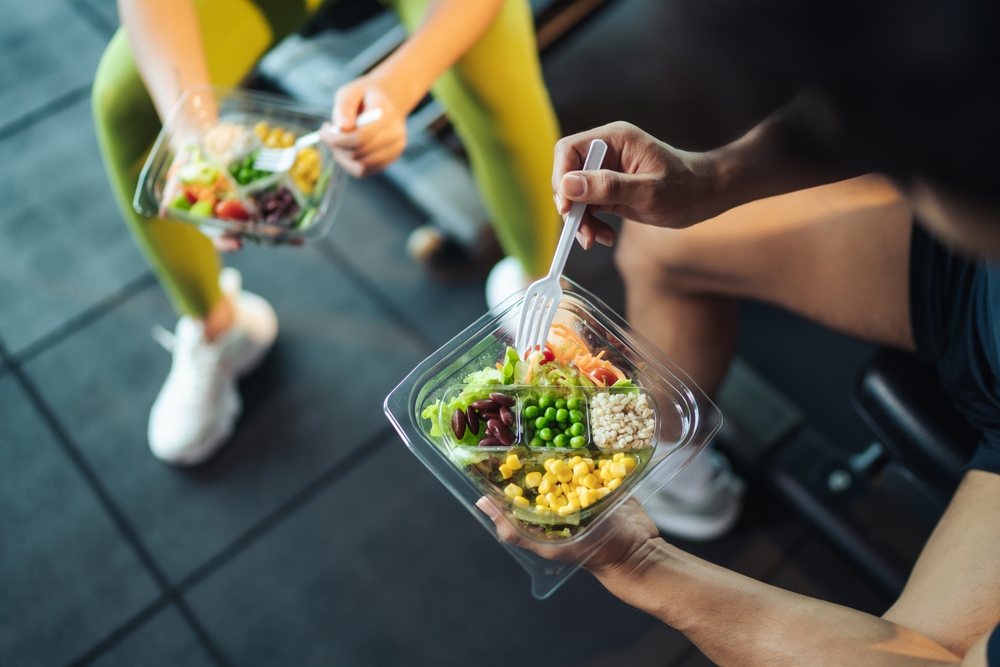
The difference between a good boxer and a great one isn’t just found in the ring. It’s built hour by hour, choice by choice. While world-class coaching and disciplined training are the cornerstones of success, elite performance begins long before the first bell rings. It starts in your kitchen. Just as Olympic-style boxing demands precision, strategy, and resilience, your nutrition plan must be equally intentional. At 12 Rounds Boxing Academy, we believe that becoming a champion—in sport and in life—requires fueling your body with the same standard of excellence you bring to your training.
Under the guidance of four-time Olympic Boxing Coach Basheer Abdullah, we teach athletes that every component of their preparation matters. Your diet is not a separate activity; it is an integral part of your training. It dictates your energy during grueling rounds, the speed of your recovery, and your ability to think clearly under pressure. Whether you’re a beginner learning your first combination or a professional preparing for a title fight, what you eat provides the foundation for everything you do. This guide will show you how to fuel your body like a pro, unlocking your full potential both inside and outside the ring.
Disclaimer: This guide provides general nutrition information for educational purposes. It is not a substitute for professional medical advice. Always consult with a qualified healthcare professional or registered dietitian before making significant changes to your diet, especially if you have pre-existing health conditions.
The Engine of a Boxer: Understanding Your Energy Systems
Boxing is a sport of intense, explosive bursts mixed with lower-intensity movement and recovery periods. To perform at your best, you need to fuel the body’s three primary energy systems, each of which dominates at different points during training or a fight.
- Alactic System (Anaerobic): This is your immediate power source, fueling explosive movements like a power jab or a quick defensive slip. It lasts for about 0-10 seconds and runs on stored energy (ATP-PC). It requires no oxygen and produces no fatiguing byproducts, but its fuel tank is tiny.
- Lactic System (Anaerobic): When a burst of effort extends beyond 10 seconds, like a rapid-fire combination or intense heavy bag work, the lactic system takes over. It breaks down carbohydrates (glycogen) for fuel without oxygen, but this process creates lactate, which contributes to that “burning” sensation and fatigue. This system powers you for 30 seconds to 2 minutes of high-intensity work.
- Aerobic System: This is your long-duration engine. It uses oxygen to break down carbohydrates and fats to produce energy for lower-intensity activities like footwork, active recovery between rounds, and roadwork. A well-developed aerobic system is crucial for recovering quickly between explosive bursts and lasting all 12 rounds.
Proper nutrition ensures each of these systems is ready to fire when needed. Carbohydrates are the primary fuel for high-intensity work, protein is essential for muscle repair, and fats support hormone function and overall energy.
Daily Nutrition Blueprint: Macronutrients for Boxers
Your daily intake of protein, carbohydrates, and fats—the macronutrients—should be tailored to your body weight, training intensity, and goals. Here are general guidelines to get you started.
Protein: The building block for muscle repair, recovery, and strength.
- General Guideline: 1.6–2.2 grams per kilogram of body weight (or 0.7–1.0 grams per pound).
- Example: A 150 lb (68 kg) boxer needs approximately 102–150 grams of protein per day.
Carbohydrates: The primary fuel for your brain and muscles during high-intensity boxing training in San Diego.
- Light Training/Skill Work: 3–5 grams per kg of body weight.
- Moderate Training/Conditioning: 5–7 grams per kg of body weight.
- Heavy Training/Sparring/Peak Phase: 6–10 grams per kg of body weight.
Fats: Crucial for hormone production, vitamin absorption, and sustained energy.
- General Guideline: Aim for 20–30% of your total daily calories. A simple rule is about 1 gram per kg of body weight.
Nutrient Timing: When You Eat Is as Important as What You Eat
Timing your meals and snacks around your training sessions can dramatically enhance performance and accelerate recovery. This is a core principle we emphasize in all our programs, from the 1st Round beginners program to our Amateur Team and Pro Program.
Pre-Training Fuel (2–4 Hours Before)
Your goal is to top off your muscle glycogen (carbohydrate) stores. This meal should be rich in complex carbohydrates, moderate in protein, and low in fat and fiber to prevent digestive issues.
- Plate Template: 1-2 palms of lean protein, 1-2 cupped hands of complex carbs, 1-2 thumbs of healthy fats, and some colorful vegetables.
- Examples:
- Grilled chicken breast with quinoa and roasted broccoli.
- Baked salmon with a large sweet potato and a side salad.
- Scrambled eggs with whole-wheat toast and avocado.
Top-Off Snack (30–60 Minutes Before)
If you train early in the morning or several hours after your last meal, a small, easily digestible carbohydrate snack is key.
- Examples:
- A banana or an apple.
- A small bowl of oatmeal.
- A slice of toast with honey.
During Training
For most boxing workouts under 60-75 minutes, water is sufficient. If you’re engaged in prolonged, high-intensity sessions (like long sparring days or multiple workouts), sipping a sports drink with 30-60 grams of carbohydrates per hour can help maintain energy and performance.
Post-Training Recovery (Within 2 Hours)
This is your critical window to refuel and repair. Consuming a meal or snack rich in both carbohydrates and protein will replenish glycogen stores and kick-start muscle protein synthesis.
- Plate Template: 1-2 palms of lean protein and 1-2 cupped hands of fast-acting and complex carbohydrates.
- Examples:
- Whey protein shake with a banana.
- Greek yogurt with berries and a drizzle of honey.
- Full Meal Example: Lean ground turkey with white rice and mixed vegetables.
Hydration: Your Unsung Performance Enhancer
Even a small drop in hydration (2% of body weight) can significantly impair your speed, power, and cognitive function. In sunny San Diego, staying hydrated is non-negotiable.
- Daily Goal: Aim for at least half your body weight in ounces of water per day, plus more to account for sweat loss. A 160 lb boxer should drink a minimum of 80 ounces (about 10 cups) daily, not including training.
- During Training: Drink 6–8 ounces of water every 15–20 minutes.
- Monitor Your Sweat: Weigh yourself before and after training. For every pound lost, you need to replenish with 16–24 ounces of fluid.
- Electrolytes: Sweat contains electrolytes like sodium, potassium, and magnesium, which are vital for muscle function. For intense sessions, consider an electrolyte supplement or foods rich in these minerals (bananas for potassium, leafy greens for magnesium, and a pinch of salt in your food for sodium).
Building a Champion’s Pantry: Grocery List & Meal Plan
Having the right foods on hand makes healthy eating easy. Whether you shop at farmers’ markets in North County San Diego or grocery stores in South Bay, focus on whole, unprocessed foods.
Your Boxing Grocery List
- Lean Proteins: Chicken breast, turkey, lean beef, fish (salmon, tuna), eggs, Greek yogurt, cottage cheese, tofu, edamame, lentils, beans.
- Complex Carbohydrates: Oats, quinoa, brown rice, sweet potatoes, whole-wheat bread and pasta, beans, lentils.
- Fruits & Vegetables: Berries, bananas, apples, oranges, leafy greens (spinach, kale), broccoli, bell peppers, avocados.
- Healthy Fats: Olive oil, avocados, nuts (almonds, walnuts), seeds (chia, flax), nut butters.
- Pantry Staples: Spices, herbs, mustard, vinegar, low-sodium broth, canned tomatoes.
Sample 7-Day Boxer’s Meal Plan
This plan provides a balanced template. Adjust portion sizes based on your individual needs.
- Monday
- Breakfast: Scrambled eggs with spinach, side of oatmeal with berries.
- Lunch: Grilled chicken salad with mixed greens, bell peppers, and a light vinaigrette.
- Snack: Apple with almond butter.
- Dinner: Baked salmon, quinoa, and roasted asparagus.
- Snack: Greek yogurt.
- Tuesday
- Breakfast: Protein smoothie (whey/plant protein, banana, spinach, almond milk).
- Lunch: Leftover salmon and quinoa.
- Snack: Handful of almonds and a pear.
- Dinner: Lean ground turkey tacos on whole-wheat tortillas with black beans, salsa, and avocado.
- Snack: Cottage cheese.
- Wednesday
- Breakfast: Oatmeal with walnuts, chia seeds, and sliced banana.
- Lunch: Turkey tacos leftovers.
- Snack: Hard-boiled eggs.
- Dinner: Sirloin steak with a large sweet potato and steamed green beans.
- Snack: Greek yogurt.
- Thursday
- Breakfast: Greek yogurt with granola and mixed berries.
- Lunch: Leftover steak and sweet potato.
- Snack: Rice cakes with avocado and a sprinkle of salt.
- Dinner: Chicken stir-fry with brown rice and a variety of veggies (broccoli, carrots, snap peas).
- Snack: Protein shake.
- Friday
- Breakfast: Whole-wheat toast with avocado and two poached eggs.
- Lunch: Chicken stir-fry leftovers.
- Snack: Banana.
- Dinner: Homemade lentil soup (vegetarian) with a side of whole-wheat bread.
- Snack: Cottage cheese with pineapple.
- Saturday (Sparring Day)
- Breakfast: Large bowl of oatmeal with a scoop of protein powder, topped with banana.
- Lunch: Turkey and cheese sandwich on whole-wheat bread with a side salad.
- Pre-Sparring Snack: Small apple.
- Post-Sparring Dinner: Large portion of spaghetti with lean meat sauce and a large garden salad.
- Snack: Chocolate milk (excellent recovery drink).
- Sunday (Rest Day)
- Breakfast: Veggie omelet with whole-wheat toast.
- Lunch: Leftover spaghetti.
- Snack: Mixed berries and a handful of walnuts.
- Dinner: Grilled local San Diego fish with roasted potatoes and a medley of roasted vegetables.
- Snack: Greek yogurt.
Smart Weight Management for Boxing Classes in San Diego
Weight management is a reality for competitive boxers. However, the goal is to lose fat, not muscle or water, which compromises performance. At 12 Rounds, we oversee our athletes’ weight management to ensure it’s done safely and effectively.
- Safe Rate of Loss: Aim to lose 0.5–1% of your body weight per week. A 150 lb boxer should aim for 0.75–1.5 lbs per week. This preserves muscle mass and energy levels.
- The Dangers of Crash Cutting: Drastic calorie restriction and dehydration lead to muscle loss, hormonal disruption, decreased power, and poor focus. It’s a short-term fix with long-term consequences.
- Sustainable Strategy: A slight caloric deficit, combined with consistent training and proper nutrient timing, is the professional approach. We guide our Amateur Boxing San Diego team through this process, ensuring they arrive on fight night strong, hydrated, and ready.
Evidence-Based Supplements for Boxing Training San Diego
Supplements can provide an edge, but they are the final 5%, not a replacement for a solid diet. Always choose third-party tested supplements to ensure quality and safety.
- Protein Powder (Whey/Casein/Plant-Based): A convenient way to meet protein needs, especially post-workout.
- Creatine Monohydrate: The most studied supplement for improving strength, power output, and high-intensity exercise capacity. (Dose: 3-5g daily).
- Beta-Alanine: Buffers acid in muscles, helping delay fatigue during sustained high-intensity efforts (1-2 minutes). May cause a harmless tingling sensation.
- Caffeine: A powerful stimulant that can improve alertness, reduce perceived effort, and enhance performance. (Dose: 3-6 mg/kg, 30-60 mins pre-training).
- Vitamin D & Fish Oil: Important for overall health, bone density, and inflammation management, especially for athletes training indoors.
- Electrolytes: Useful for heavy sweaters or training in the San Diego heat to maintain hydration and muscle function.
Nutrition Considerations for Every Athlete
12 Rounds Boxing Academy is a community for everyone. Our StrongHer women’s program, 12 Rounds Starters for youth, and our welcoming environment for masters athletes reflect our belief that boxing is for all. Nutrition needs vary across these groups.
- Female Athletes: Must be vigilant about iron intake (to prevent anemia), calcium (for bone density), and ensuring adequate overall calorie intake to avoid Relative Energy Deficiency in Sport (RED-S), which can disrupt hormonal health and performance. Our Women’s Boxing Classes San Diego provide a supportive space to discuss these unique needs.
- Youth Athletes: The focus for Youth Boxing San Diego is on fueling growth and development. Calorie restriction is generally inappropriate. Instead, emphasize whole foods, consistent meals, and healthy habits the whole family can adopt, which we encourage in our 12 Rounds Family Class.
- Masters Athletes (>35): As we age, muscle protein synthesis becomes less efficient. Masters athletes may benefit from higher protein intake, distributed evenly across meals (e.g., 30-40g per meal), to preserve muscle mass and aid recovery.
Nutrition and Advanced Recovery: The 12 Rounds Advantage
What truly sets 12 Rounds Boxing Academy apart from any other San Diego boxing gym is our holistic approach. We are the only facility in the area that pairs Olympic-level boxing with a state-of-the-art Recharge & Restore Center. Proper nutrition is the fuel for this entire system.
- Cold Plunge & Sauna: Fueling properly after a session prepares your body to benefit fully from contrast therapy. Protein and carbs kickstart repair, while the cold plunge reduces inflammation and the sauna improves circulation, creating a powerful recovery synergy.
- EWOT (Exercise With Oxygen Therapy): To maximize the benefits of EWOT, your body needs available energy. A well-timed pre-workout snack ensures you can push hard enough to get the full cardiovascular and cellular benefits.
- PEMF and EE System: These energy-based therapies support cellular repair and reduce stress. Good nutrition provides the raw materials your cells need to carry out these repairs effectively.
- Mental Wellness: A balanced diet rich in omega-3s, B vitamins, and magnesium supports brain health and mood regulation—critical for the focus and resilience taught by Coach Basheer.
The Best Boxing Gym in San Diego for Your Goals
From Downtown San Diego to North County, East County, and South Bay, athletes travel to 12 Rounds because they want more than just a workout. They want a complete system for growth. Whether you’re looking for boxing for beginners, a competitive amateur program, or professional boxing training in San Diego, your journey to peak performance is supported here, from your first punch to your post-workout meal.
Boxing Nutrition FAQs
- What should I eat before my first boxing class?
For your trial class or 1st Round beginners session, have a light, carbohydrate-rich snack like a banana or a piece of toast about 60 minutes beforehand. This will give you energy without weighing you down. - I do kickboxing and want to add boxing. Is the nutrition different?
The principles are very similar. Both are high-intensity sports that demand good carbohydrate availability and protein for recovery. If you’re looking for a top kickboxing and boxing gym San Diego has to offer, our nutrition framework supports dual-sport athletes perfectly. - How much water should my child drink for youth boxing?
For Youth Boxing San Diego programs, ensure your child is hydrated before they arrive. Have them drink 8-12 ounces of water about an hour before class and bring a water bottle to sip on throughout. Avoid sugary sports drinks unless training is exceptionally long or intense. - Are there affordable ways to eat healthy for boxing?
Absolutely. Focus on affordable staples like eggs, oats, beans, lentils, potatoes, and in-season vegetables. Buying in bulk and cooking at home are the best strategies for anyone seeking an affordable boxing gym San Diego experience without compromising their nutrition. - I work in Downtown San Diego. What’s a quick post-workout meal?
If you train at our Downtown San Diego boxing gym location, a pre-made protein shake, Greek yogurt, or a healthy wrap with chicken or chickpeas are great, quick options to consume on your way home or back to the office to kickstart recovery. - Can I build muscle with vegetarian or vegan nutrition for boxing?
Yes. Focus on plant-based protein sources like tofu, tempeh, lentils, beans, edamame, and quinoa. You may need to be more strategic to get all essential amino acids, but it’s entirely achievable with a well-planned diet. - How does nutrition help with boxing fitness goals versus competitive goals?
For general boxing fitness San Diego clients, the focus is on balanced meals for energy and body composition. For competitors, nutrition becomes more precise with carb cycling, weight management, and specific timing protocols for peak performance on fight night.
Fueling the Champion Within
At 12 Rounds Boxing Academy, Coach Basheer Abdullah’s philosophy guides everything we do: we build champions in sport and in life. The discipline, respect, and resilience you learn in the gym are forged by your daily habits, and nutrition is one of the most powerful. Fueling your body correctly is an act of self-respect. It’s a declaration that you are committed to becoming the strongest, sharpest, and most resilient version of yourself.
Whether your goal is to get in the best shape of your life, build unshakable confidence, or step into the ring, your journey starts here. We provide the world-class coaching and the holistic environment to help you succeed.
Ready to train and fuel like a champion? Book your free introductory session at 12 Rounds Boxing Academy today and discover why we are the premier destination for boxing training in San Diego.